 Deep Groove Ball Bearings & Motor Bearings Manufacturer | NKMB

Rolling bearings are designed to operate for thousands of hours under the right conditions. However, many bearings fail much earlier than expected—not because of manufacturing defects, but because of incorrect selection, installation or maintenance.
According to industry experience, a large percentage of premature bearing failures can be prevented through proper engineering practices. Understanding the root causes of failure helps reduce downtime, lower maintenance costs and improve equipment reliability.
This guide explains the ten most common reasons why bearings fail and offers practical recommendations for preventing each problem.
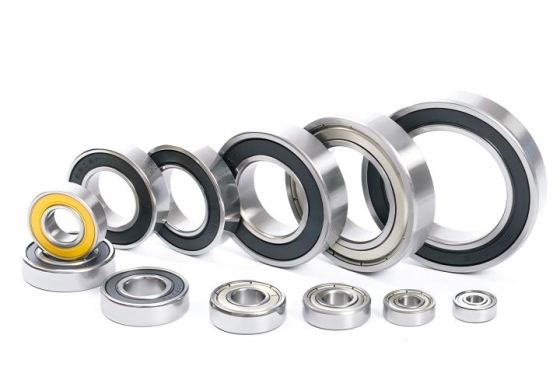
1. Improper Lubrication
Lubrication is one of the most critical factors affecting bearing life.
Too little grease increases metal-to-metal contact and accelerates wear, while excessive grease can cause overheating and energy loss.
Prevention
- Select the correct grease for the application.
- Follow the recommended relubrication interval.
- Avoid mixing different grease types unless compatibility has been verified.
2. Contamination
Dust, metal particles, sand and moisture are among the most common causes of bearing damage.
Even microscopic contaminants can scratch raceways and rolling elements, leading to increased vibration and premature fatigue.
Prevention
- Choose the correct seal type (ZZ or 2RS).
- Keep the installation environment clean.
- Replace damaged seals promptly.
3. Incorrect Installation
Bearings should never be forced into position using direct hammer blows on the rings.
Improper installation can deform raceways, create internal stress and shorten service life before the machine even starts operating.
Prevention
- Use proper mounting tools.
- Apply force only to the ring being fitted.
- Check shaft and housing dimensions before installation.
4. Misalignment
When shafts and housings are not correctly aligned, uneven loads are applied across the rolling elements.
This often results in abnormal wear, excessive heat and increased operating noise.
Prevention
- Verify shaft alignment during assembly.
- Inspect housings for machining accuracy.
- Replace worn mounting components.
5. Excessive Load
Every bearing has a designed load capacity.
Operating beyond this limit may cause permanent deformation, surface fatigue and early failure.
Prevention
- Select the correct bearing size.
- Consider both radial and axial loads.
- Avoid shock loading whenever possible.
6. Incorrect Bearing Clearance
Using an unsuitable clearance class can reduce performance.
Clearance that is too small may generate excessive heat, while excessive clearance can increase vibration and reduce accuracy.
Prevention
- Select CN for most standard applications.
- Use C3 when higher operating temperatures or speeds require additional internal clearance.
- Consult technical data when selecting special clearance classes.
7. Corrosion
Water, chemicals and humid environments can damage bearing surfaces and reduce fatigue strength.
Corrosion often begins before visible rust appears.
Prevention
- Use stainless steel bearings where appropriate.
- Store bearings in dry conditions.
- Apply suitable corrosion protection during transportation and storage.
8. Electrical Damage
Electric current passing through bearings may create microscopic craters on raceways, leading to noise and vibration.
This problem commonly affects inverter-driven motors.
Prevention
- Use insulated bearings where required.
- Improve equipment grounding.
- Inspect electrical systems regularly.
9. High Operating Temperature
Excessive heat reduces lubricant effectiveness and accelerates material fatigue.
Long-term overheating may also alter bearing hardness.
Prevention
- Monitor operating temperature.
- Improve ventilation.
- Select grease designed for high-temperature operation.
10. Incorrect Bearing Selection
Choosing a bearing based only on dimensions can lead to poor performance.
Operating speed, sealing type, material, precision grade and environmental conditions should all be considered during selection.
Prevention
- Define application requirements before purchasing.
- Select the appropriate bearing type and seal design.
- Consult the manufacturer for technical recommendations when necessary.
Warning Signs of Bearing Failure
Bearings often provide early warning before complete failure.
Common symptoms include:
- Unusual vibration
- Increased operating noise
- Rising temperature
- Grease leakage
- Reduced rotational accuracy
- Visible discoloration or wear marks
Identifying these signs early can prevent expensive equipment damage.
NKMB Engineering Tip
At NKMB, technical support often begins with understanding the customer’s operating conditions rather than simply recommending a bearing model.
Factors such as shaft speed, load, lubrication method, working temperature and environmental contamination all influence bearing life. Selecting the correct bearing for the application is usually more effective than choosing a higher-cost bearing without considering these conditions.
Frequently Asked Questions
What is the most common cause of bearing failure?
Improper lubrication and contamination are among the leading causes of premature bearing failure.
Can bearing failure be prevented?
Yes. Proper selection, installation, lubrication and regular inspection can significantly extend bearing service life.
How do I know if a bearing needs replacement?
Persistent noise, vibration, excessive heat or visible damage are common indicators that a bearing should be inspected or replaced.
Should I replace both bearings at the same time?
For many machines, replacing bearings as a matched set helps maintain balanced performance and reduces future maintenance interruptions.
Conclusion
Bearing failures rarely occur without warning. Most problems develop gradually due to lubrication issues, contamination, overload or installation errors. By understanding these common causes and applying appropriate preventive measures, engineers can improve machine reliability, reduce downtime and lower operating costs.
NKMB is committed to providing high-quality deep groove ball bearings along with practical engineering knowledge to help customers achieve longer service life and more reliable equipment performance.